

The Positive Impact of Digital Fashion
Not only can it reduce consumptive waste, but digital fashion technology can also help designers and brands to have a more efficient sampling process by testing how a garment falls on top of a body without fabric waste. Digital fashion also allows designers to explore new creative boundaries as there are fewer restrictions on physical technicality. Meanwhile, for buyers, digital fashion can allow them to put on artistic and avant-garde pieces for a lower price point. Alien, founder and creative director of digital fashion studio Néché L’Alien, spoke to EnVi via email, sharing what digital fashion means to them, “To some, it could be a way to make money, to others it could be a utility to improve their business. But to me, I’d say digital fashion is a chance, an opportunity for young and independent designers to realistically express their art. It truly is a gift. […] Digital fashion opens up a world of possibilities, from digital fashion utility to streamlining design processes and a lot more, there’s so much we could do with it.” Ever since its inception, the impact of digital fashion on the existence of physical clothing has sparked debate. However, the Swedish digital fashion brand Placebo regards both as parallel concepts. “Digital fashion is an extension of the fashion industry. Fashion is storytelling- digital fashion is a great tool to continue telling the story in a different way on a different platform,” says the brand. “Those are two different products and they will live next to each other.”View this post on Instagram
Similarly, digital fashion house BalmLabs believes that owning something that does not come in material form is still an unfamiliar concept, which is the reason why skeptics might not understand the intent of digital fashion. “Some people believe that the sole purpose of digital fashion is to create physical clothes. They can’t understand that someone would want to buy something that is purely digital,” the brand tells EnVi.View this post on Instagram
How this Affects Fashion’s Future
Despite the skepticism and doubt regarding digital fashion, the industry is steadily growing. Proof of how the phenomenon’s demand is taking off is how the first digital clothing made by The Fabricant, was sold for $9,500, not to mention the growth of DressX, the dedicated e-commerce site that solely sells digital fashion. With the market for digital fashion starting to solidify, it is clear that digital fashion is a concept that will stay present in the industry for quite some time. With this new field on its rise, there are also new sets of knowledge and skills needed for aspiring fashion workers to be able to score jobs in this new extension of the industry. When people set out to study fashion design, they would expect to learn skills like textile manipulation, sewing, pattern-making, and other technicalities, but to conquer digital fashion different knowledge is needed alongside these basics. “You need to understand and know fashion. How to manipulate fabrics, and different stitch types and how to design an assortment that will align with your inspiration. On top of it, you need to understand 3D, PBR, UV and how to work with different 3D tools.” Placebo explains. With these skills deemed essential to work in the realm of digital fashion, fashion students would have to adapt and open themselves to learning to adapt to the advancing job market. With change comes uncertainty, and this progression brings both excitement and fear for students who are awaiting to enter the workforce. Elysia Chandra, a recent graduate of ESMOD Paris and current MODART student, spoke to EnVi via email about how students around her are reacting to the rise of digital fashion, “My friends who are also fashion graduates and are just starting their professional lives are very optimistic. They are all very interested with the prospects of the applications in real world and how it makes their work easier but with applications in the web3 / NFT sectors, they are quite cautious.” Similarly, Andreyta Lennggogeni, a student from ESMOD Jakarta shares, “Some are interested, and some are scared and think it is unnecessary. But great ideas come with a great price, and change is scary sometimes, right?” How Students have Adapted to this Technology The students also reveal that both of the academic institutions they are currently enrolled in have been trying their best to equip students with these new advancements. They’ve offered classes on topics like 3D Modeling, Lectra, and Computer Assisted Designs (CAD). However, fashion students aren’t the only ones who are efficient in 3D skills and are now aiming to enter a job market where 3D artists, animators and digital designers are competing as well.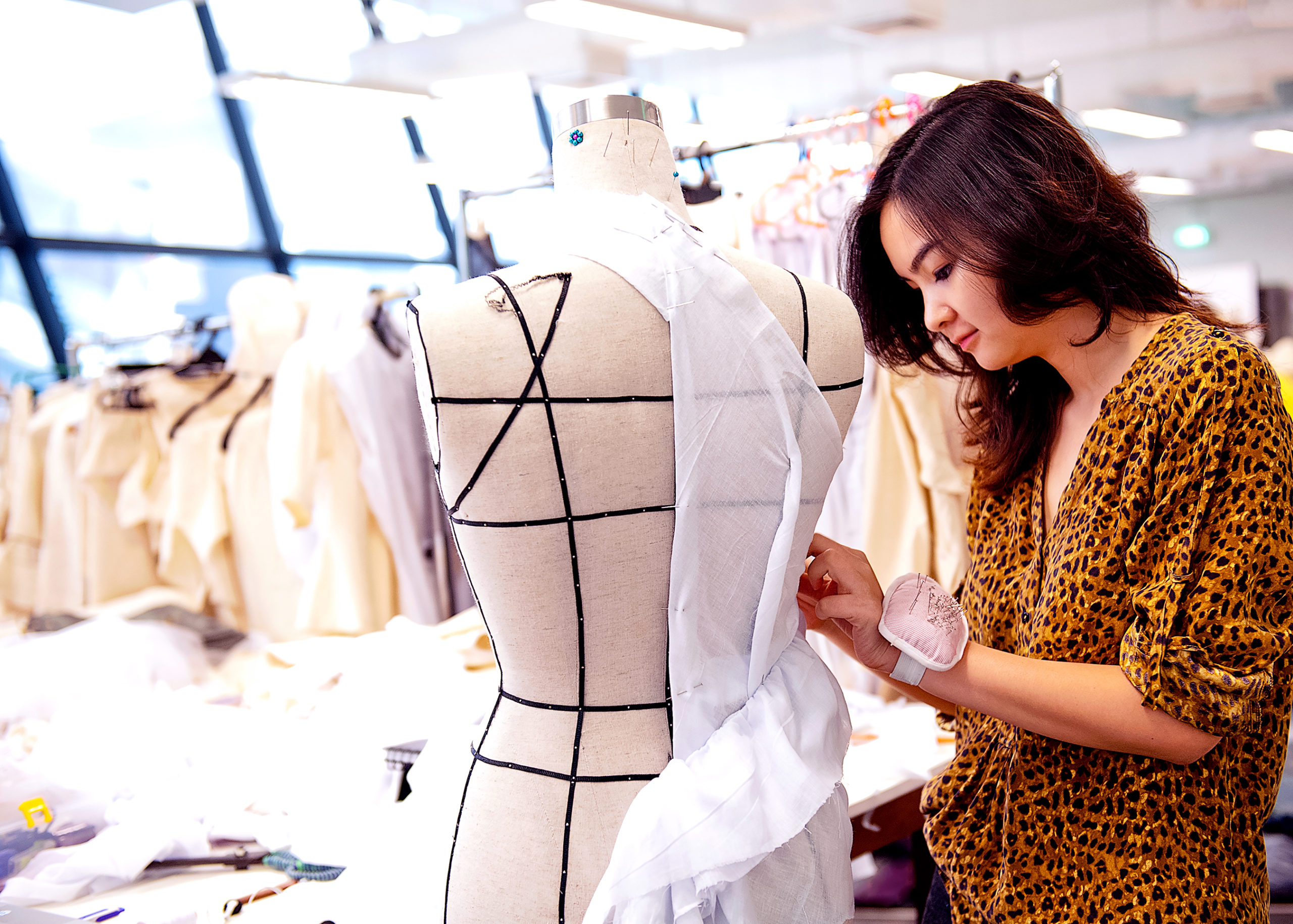
How Fashion Schools can help
We approached LASALLE College of the Arts Singapore to ask them what educational institutions are doing to prepare for this change. “We have adopted different software to enhance the digital aspects of our Bachelor of Arts (Honours) programmes at LASALLE’s School of Fashion for the students to respond to the Metaverse and NFTs to create collectable works of fashion and art,” says Circe Henestrosa, the Head of the School of Fashion. She also mentions that students in the school are familiarized with the Metaverse and are currently interested in tapping into this new territory which is why the school is keen on equipping them with skills to navigate these digital environments. However, technical skills aren’t the only thing they should be focused on teaching. For LASALLE, this means that an all-rounded educational approach to digital fashion is needed for their students to be ready for whatever the ‘real world’ throws at them. The school is focused on making sure that new innovations in fashion won’t stop their students from tackling it in their own unique way. “The challenge is not to learn the software; it is to approach this space creatively. A lot of people already have technical skills but not a visual or design understanding of them. So that’s what we teach our students — how to approach the space in creative ways,” Circe explains.